
GLP-1 & weight support · Virginia & Washington, D.C.
Midlife weight gain is physiology, not a character flaw.
As estrogen declines, weight settles around the middle and metabolism shifts — even when nothing about how you eat or move has changed. When appropriate, GLP-1 medications can help, but their real value is metabolic: protecting your heart, muscle, and long-term health.
How GLP-1 care works here
When clinically appropriate, GLP-1 medications can help — but the plan also protects muscle, supports protein and strength, watches side effects, and keeps the whole metabolic picture in view.
- Physician-led, risk-benefit discussion
- Muscle, protein, fiber, and strength built in
- Supervision, monitoring, and realistic expectations
Start here
Not sure where to start?
Tell us what you’re dealing with and we’ll come back to you with the options that actually fit — no obligation, no pressure to book anything.
Would rather just talk it through? Book a $30 Meet & Greet — a 20-minute call, credited toward your consultation if you go ahead.
The physiology
Why does midlife weight settle around the middle?
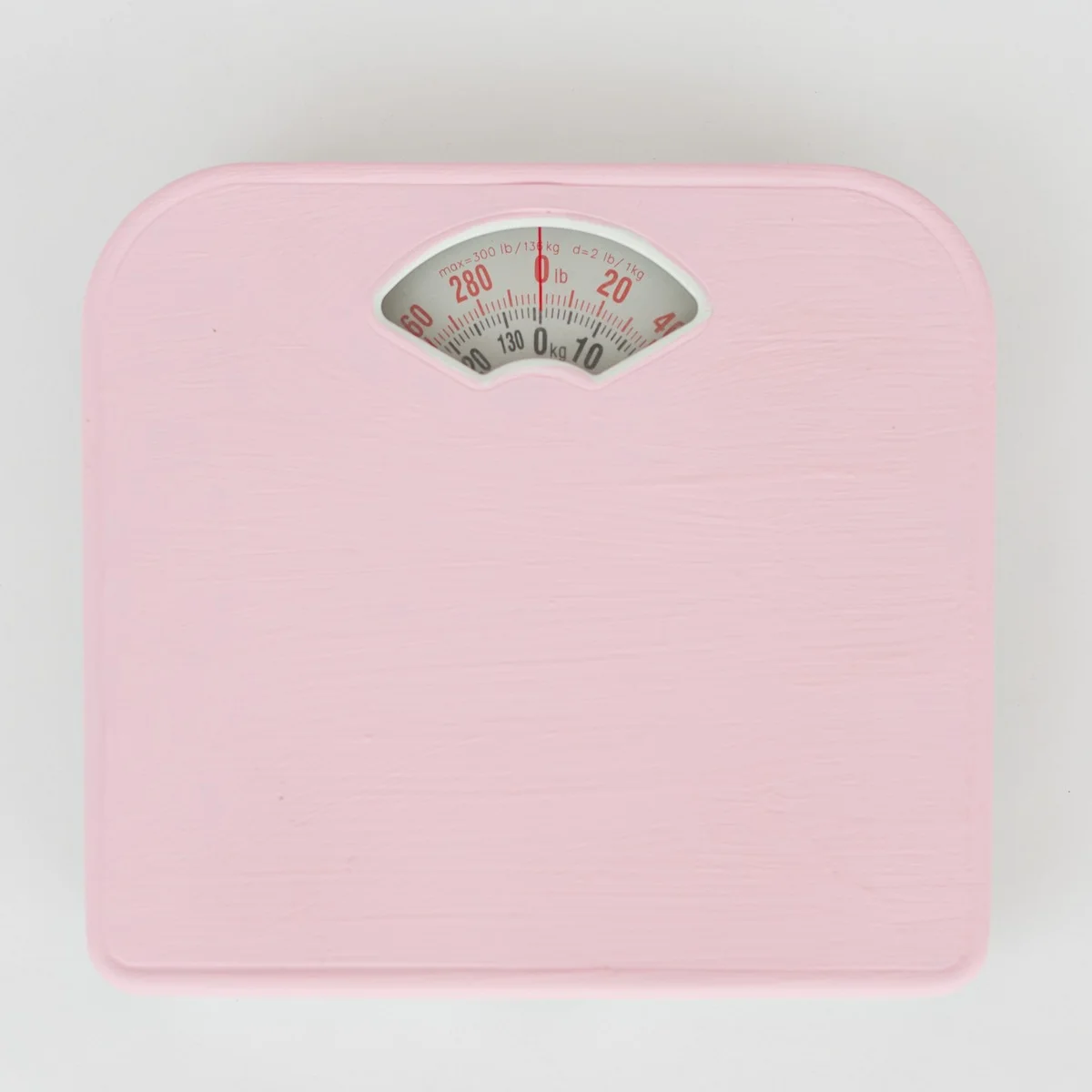
One of the most frustrating parts of midlife is gaining weight without changing a thing about how you eat or move — and watching it settle in a new place. As estrogen declines, fat that once collected on the hips and thighs redistributes to the abdomen, deep around the organs. This is visceral fat, and it behaves very differently from the fat just under your skin. It’s a physiologic shift, not a willpower problem.
The risk
Why does belly fat matter?
Visceral fat is metabolically active and inflammatory. It drives insulin resistance, pushes cholesterol and triglycerides in the wrong direction, raises blood pressure, and fuels the inflammation that builds plaque in arteries. The change in where your body stores fat is one of the central reasons cardiovascular risk climbs after menopause — a growing waistline is a warning sign, not just a wardrobe problem.

The science
How do GLP-1 medications work?
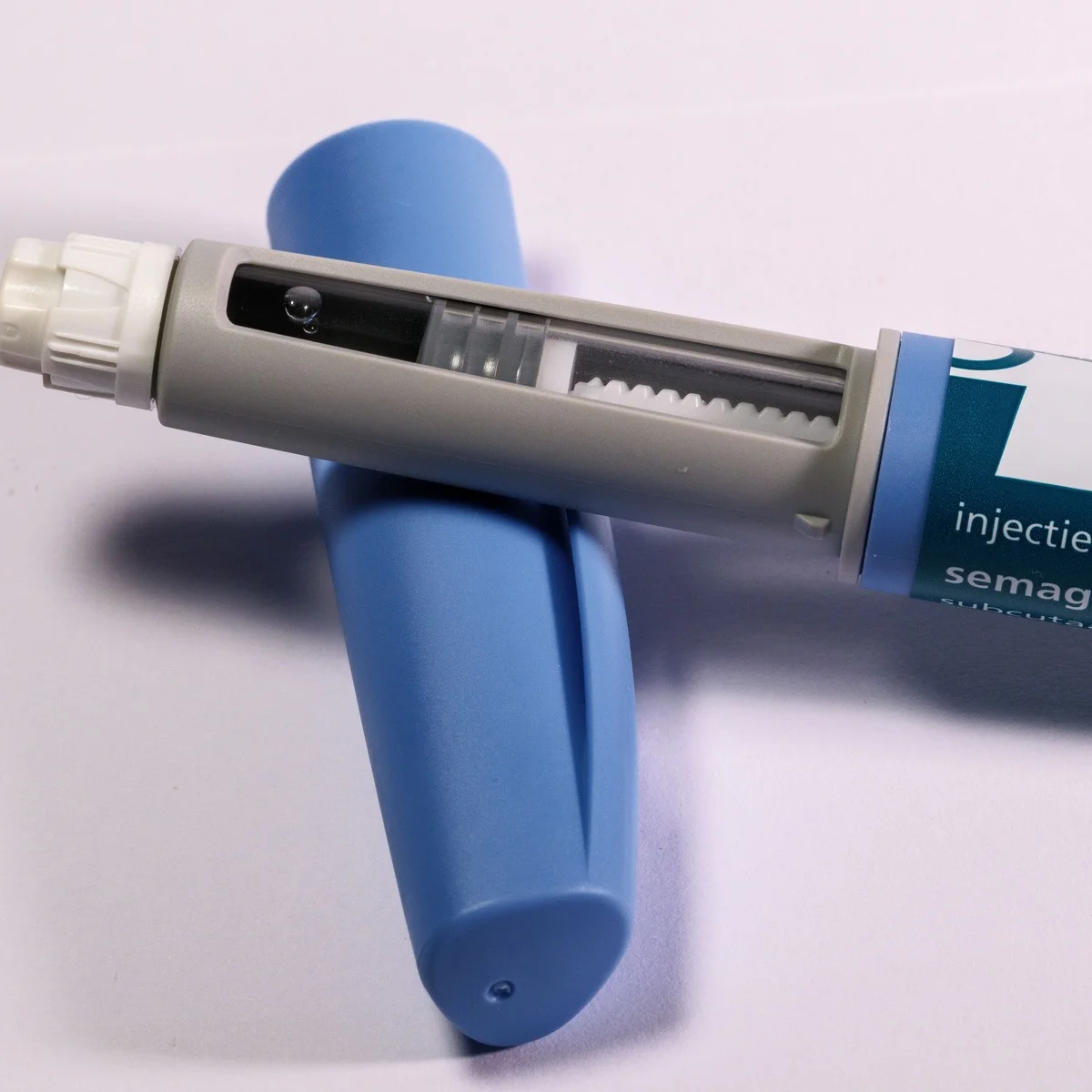
GLP-1 is a natural gut hormone released after eating. GLP-1 medications mimic it and act in several places at once: they slow stomach emptying so you feel full longer, quiet appetite and “food noise” in the brain, prompt insulin when blood sugar is high, and lower glucagon. The newest agents add a second gut hormone, GIP. The result is reduced appetite, steadier blood sugar, and meaningful loss of the dangerous visceral fat. Not every agent carries the same proven heart benefit — which is why the choice should be individualized with a physician.
Candidate fit
Used for patients who are overweight or obese, with candidacy and supervision set during a clinical visit.
Coverage & cost
Depends on your insurance; out-of-pocket cost is variable depending on which medication is most appropriate.
Beyond the scale
The real value is metabolic — protecting muscle with protein and strength training, and improving blood pressure, sugar, and cholesterol.
Weight care that treats the physiology, not the willpower.
Let’s talk through whether a GLP-1 fits your goals and your heart-health picture — as part of a complete, supervised plan.
The whole plan
More than a shot
These are not magic shots; they’re backed by science and work best as part of a complete plan that protects muscle through resistance training and adequate protein, with attention to fiber, hydration, nutrition, and long-term maintenance. Used thoughtfully and matched to the right patient, they’re one of the most significant tools we now have for midlife metabolic and cardiovascular health.
Answers before you book
Common questions
Am I a candidate for a GLP-1 medication?
These FDA-approved medications are used for patients who are overweight or obese and want safe, sustainable weight-loss support. Candidacy and supervision are determined during a clinical visit.
How much do GLP-1 medications cost?
Insurance coverage varies depending on your plan. For patients paying out of pocket, costs are variable as well.
Will I lose muscle on a GLP-1?
Protecting muscle is a core part of the plan. We pair medication with adequate protein and resistance training so the weight you lose is fat, not the muscle and bone you need in midlife.
Are these medications safe?
They’re backed by science and used under physician supervision, with attention to side effects and monitoring. They work best as part of a complete plan, not as a stand-alone quick fix.
Do you offer virtual visits?
Yes — telemedicine is available for eligible patients in Virginia and Washington, D.C., alongside the Great Falls, VA office.
Where to next